Bingo parlors appeared on The Strip in the 1920s, as Geneva-on-the-Lake began shifting from a resort for well-to-do Cleveland visitors to a destination for middle- and working-class tourists arriving by automobile.
Under Ohio law, bingo proceeds could only benefit nonprofit organizations. While individual operators ran the games on The Strip, the primary beneficiary was often the Geneva-on-the-Lake Fire Department, which was organized in 1924.
Operators deducted expenses—such as rent, operating costs, employee wages, and prizes—from the game’s revenue before turning the remaining proceeds over to the fire department.
At Geneva-on-the-Lake, bingo games did not award cash prizes. Instead, winners received merchandise such as kitchen appliances and household goods, which were especially appealing to the many women who spent their afternoons at the parlors while their husbands played golf and their children visited Pera’s Kiddieland, the beach, or nearby arcades.
As the stereotype suggests, bingo was also popular with “grandma.” During a period when the game’s legality was being challenged in Ohio courts, supporters even used the slogan “Keep Grandma Off the Street” on bumper stickers advocating for full legalization.
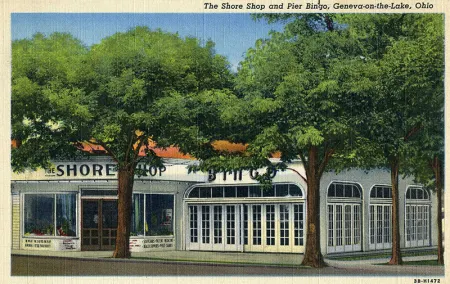
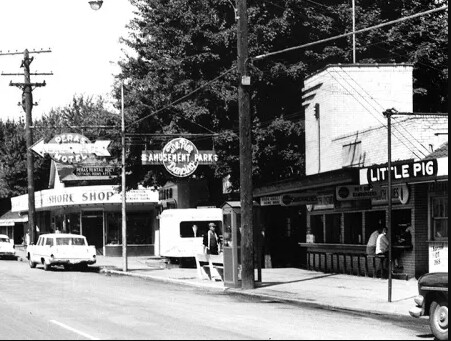
One of the earliest documented bingo parlors on The Strip was operated by the Pera family. The game first ran in a tent before moving into a permanent building next to the Shore Shop. A postcard from the 1930s shows the bustling parlor. In fact, nearly every midway had at least one bingo hall; Snell’s Olympic Midway had two.
Other establishments also hosted bingo. Clara Jolly, owner of the Youngstown Manor, operated a parlor, and the building that now houses Pucker Up was once home to a bingo hall as well.
By the early 1970s, bingo technically operated outside the bounds of the Ohio Revised Code, though enforcement was inconsistent. Concerns grew statewide after organized crime became involved in bingo operations in some cities, eventually leading to a statewide vote on stricter regulation.
Voters approved new rules allowing charitable bingo, but with significant restrictions. Locations could hold no more than two sessions per week, each lasting no longer than five hours. Workers could not be paid, and operators had to be volunteer members of the benefiting organization.
The new bingo law took effect in June 1976.
At that time, four bingo parlors were still operating on The Strip, many running daily from noon until midnight. When the Geneva-on-the-Lake Fire Department applied for a license through the Ohio Attorney General’s Charitable Foundations section, the long operating hours and frequency of games drew scrutiny.
Eventually, all of the bingo parlors on The Strip closed. Operating within the new regulations proved neither profitable nor practical for a seasonal resort.
Some businesses attempted legal variations of the game. In 1977, Skillo was introduced at Pera’s long-running Pier Bingo. The public, however, was slow to embrace the game, and it disappeared after only a few years. Other bingo operations on The Strip soon followed.
Address
Geneva-on-the-Lake, OH 44041